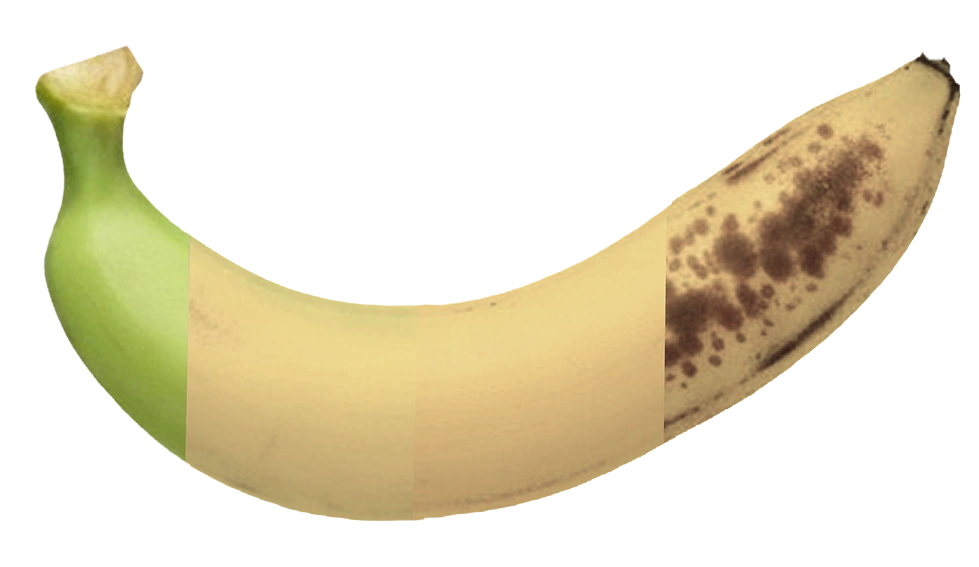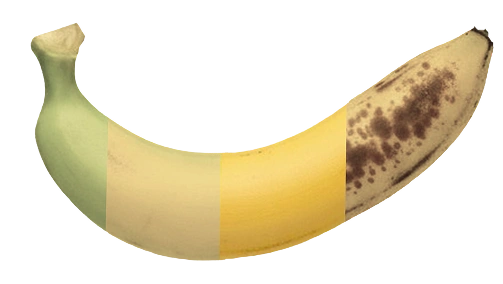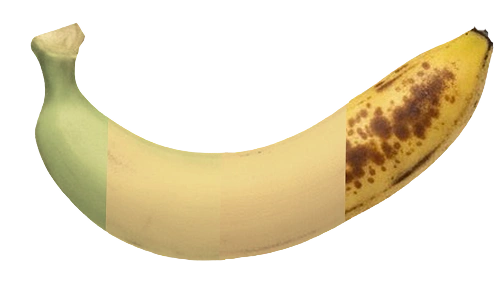
Place bananas in a paper bag with an apple or tomato to speed up ripening naturally through ethylene release.
Keep at room temperature and avoid refrigeration until ripening is complete.
Check daily the ideal stage is a bright yellow peel with a few brown specks.
Store ripe bananas separately from other fruits to prevent premature spoilage.
Use overripe bananas wisely peel, slice, and freeze them for smoothies or baking.
Use well-ventilated crates instead of sealed boxes to prevent bruising and maintain airflow.
Store at ambient temperatures between 18°C and 22°C for optimal freshness.
Separate ripe and unripe batches to avoid over-ripening.
Avoid direct sunlight, cold air, or refrigeration, as they hinder natural ripening and dull colour.
Rotate displays daily to maintain uniform ripeness and consistent product presentation.
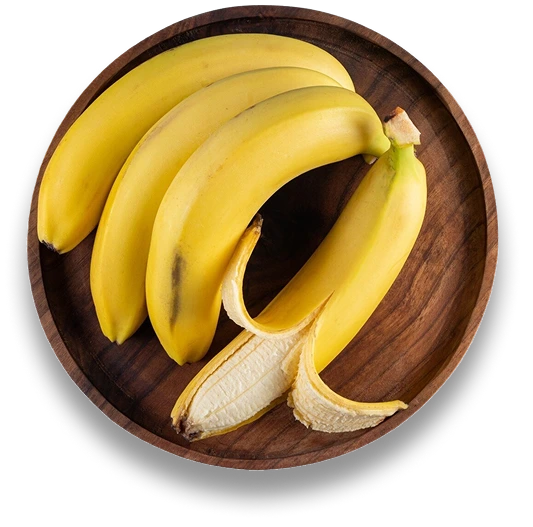
A banana adapts to every table from a quick morning snack to a refined dessert.
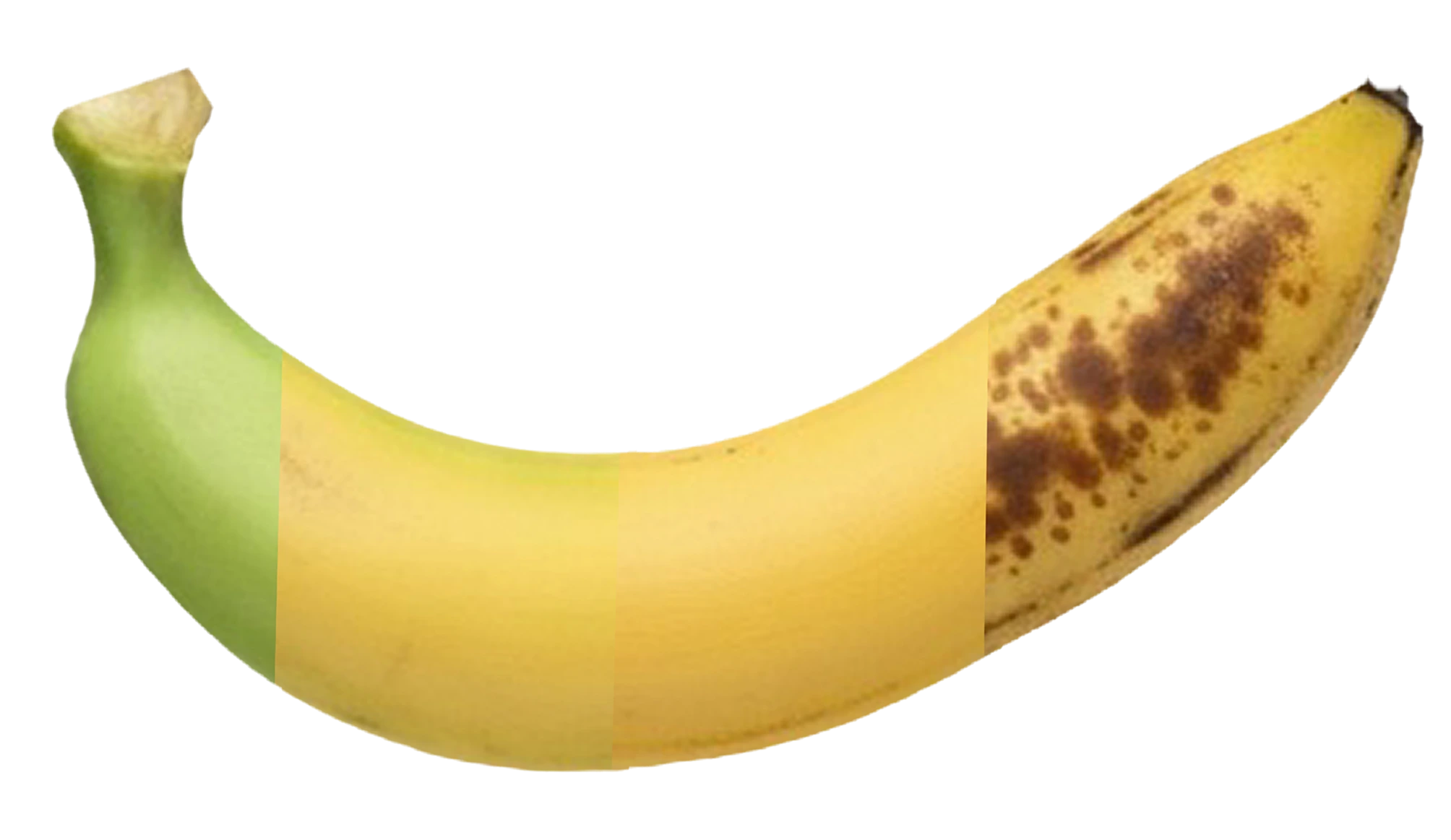
Best For Cooking, longer storage
Characteristics Firm, high in resistant starch, mildly sweet.
Best For Everyday eating
Characteristics Balanced sweetness, firm texture.
Best For Best for direct consumption
Characteristics Naturally sweet, aromatic, easily digestible.
Best For Baking, smoothies, desserts
Characteristics Highest sugar and antioxidant content.
Godown No. 5-A, Central Warehousing Corporation, Behind New Grain Market, Sirsa Road, Hisar, Haryana, 125001
info@aurickinitiatives.com +91 9884 090 759
2026 Aurick All Rights Reserved